


gary
Forum Replies Created
-

I
make it a practice to never leave the bus without checking the AC
input even while in the bus barn. Only takes a minute to verify shore
power is working.I’ve
done the same thing, left the bus without shore power. Fortunately it
was only about 8 hours and I was still above 12v with the inverters
working. My own fault, forgot to throw the 50 amp shore breaker
after working on the bus. -
The entertainer coach also has an additional bay for storage.
-
Bill, We were in the Nashville Service Center last fall for a fairly minor gen-set problem without an appointment. We were impressed with everything including the amount of the bill.
-
Here are some pictures of an auxilary compressor that I installed as a backup, and to provide air for whatever while parked. I also turn it on before I start the coach if it has been siting for a few days to pump up air bags on the belts. It will pump up the aux air system in less than 45 seconds, then I shut it off. That way, no belts slip if air has leaked down.
I had a failure a few months ago, and decided to have a backup.
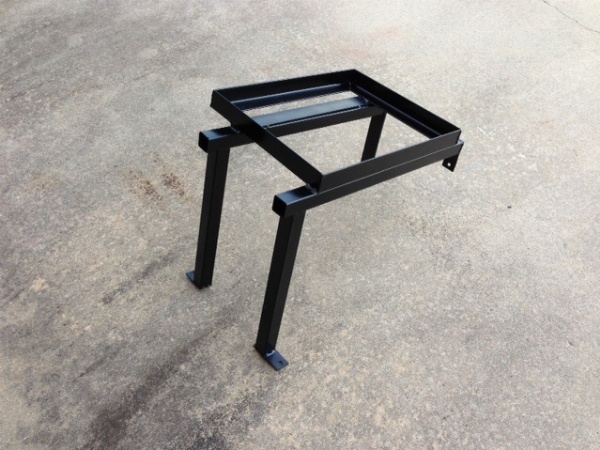
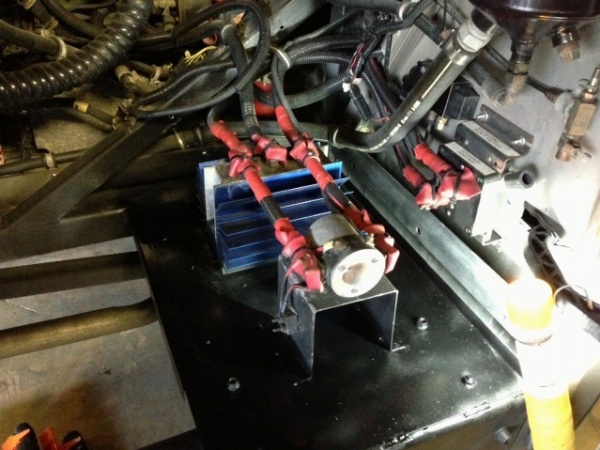

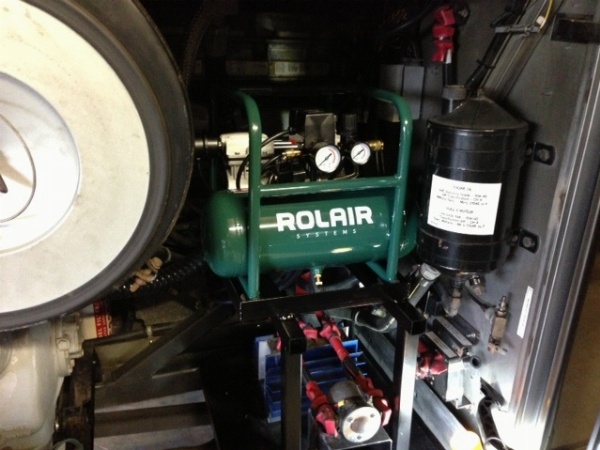
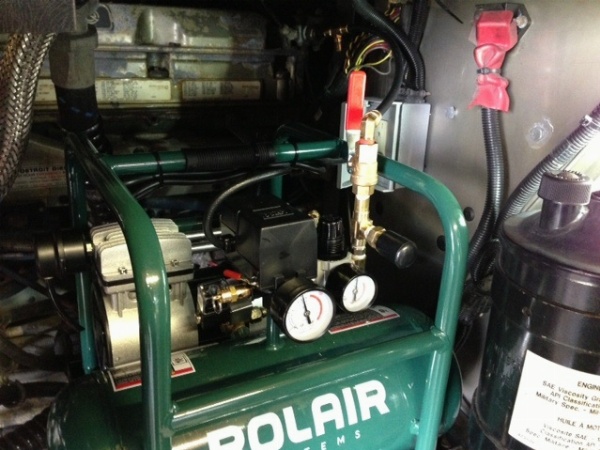
It can be removed in 5 minutes or less.
-
PeterC and all PC members …you are right and I apologize for posting a cheap shot.
I have deleted the post.
AL
-
http://www.g4leds.com/24v-g4-led-lamp.html
Here Jon, pick your less than $5 a disc 24V LED. Buy one warm white high lumen rated replacement and check it out. The 12V ones I bought dirt cheap appeared the same color and nearly the same brilliance.
-
When in the Eugene area for generator work contact the Generator Man, Dick Wright. He has been my go to man for generator work for years. One of the original Bus Nuts. http://wricointernational.com/. Phone call work as well.
-
Gran,
Don’t let those two guys claim you don’t know the business end of a check valve.
My initial reaction is the new check valve may have a strong spring force to overcome, or may limit flow due to reduced open area. Either or both could contribute to longer fill times. My coaches have used ball valves on the fill lines. They will do what the check valve does when you close the valve, but when open they have a larger flow path so there is no restriction.
The run time of the pump is unrelated to the fill issue. The pump should be drawing from the bottom of the tank and depending on the type of pump, where the pressure switch is located, if you have an accumulator are the factors to consider relating to the pump.
You did install the check valve in the correct direction, right?
-
I’ll add to Gil’s correct comment. You can ruin batteries easily by not charging them to the specified voltages so whatever ruined them could have been either scenario.
My guess is Gil nailed it.
-
Ditto what Diane said, exactly how I manage mine and we’ve had lot’s of practice the last few weeks with whimpy power. My inverter remotes have power share that allows you to reduce charger amps when you need all you can get. Had to laugh, I came in the bus and Nance is shutting down the port and front AC, leaving the stbd and rear AC running so she could make amps for the washer/dryer. I think she’s got it!!!
-
For completeness to the history add that Prevost Stuff and POG were started by Jeff Raymond who then sold out to Jim Skiff.
Just sayin, JIM
-
That’s why there is such good cell coverage there….always get full bars and great speeds due to that tower.
-
As part of a pre-trip inspection I would urge all owners to be vigilant regarding hub seal leaks.
We talk about them on forums but to reiterate they are double bad news. If the leak is serious it is possible for bearings to lack needed lubrication and that can have very expensive consequences. But even if the bearings continue to have adequate lube, hub seal leaks tend to ruin your brakes, coating them with gear oil so they are no longer effective.
The first clue about a hub seal leak is going to be fine lines of black streaks radiating outward from under the hub caps. On steer and tag wheels if you suspect the hub is leaking, poke your finger through one of the holes and rub it around the wheel. If the hub seal is leaking you are going to have a black greasy finger tip. If there is no leak you will just have black, dry dust on your finger tip.
The hub seal leak on the drive axle is less easily checked. Sometimes it will show up on the outer wheel as streaks, but when that happens the seal usually has been leaking a long time. The leak will show up on the inside of the inside drive wheel. The way I have found to see evidence of a leak is to shine a flashlight under the coach and look at the inner drive wheel on the opposite side of the coach. The tire and wheel are going to have lines or streaks of grease radiating outward. Also look between the wheels for evidence of grease. Both areas should be dry. It is kind of a pain to get down on your knees with your head almost on the ground to look at the inside of the drive wheels, but as stated above hub seal leaks cannot be ignored.
You may go hundreds of thousands of miles without ever experiencing a hub seal leak or you may have one on a relatively low mileage coach. I have never figured out why there is such inconsistency relating to hub seals. But if you do get a leak it is a relatively simple repair that takes about 2 hours. And the oil that has gotten in the drum or on the disc and on the pads or shoes is easily cleaned off if the leak is caught early.