
-
Kick Heater Replacment
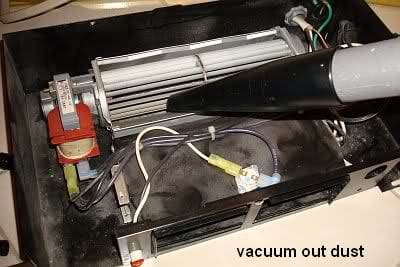
Today I had. Problems with one of my electric toe kick heaters I called Cadet company they told me there was a recall for those heaters the old one can catch fire they have new ones direct replacement, the old ones have fine wire heating elements that can catch lint or hair On fire , the recall ended in 2002 so u are one your own , I ordered three new ones plus new thermostats ..The new ones have different heating wire in them and manual reset the old ones had red light that came on when it over heated then cooled down reset itself ….Mine are model TK 101 the replacement ones are UCT 101B , B stands for black , thermostat is UCT 2B this one has shut off you don’t have to turn it off at breaker panel or the one that does not shut off all the way I think is set for a low of 40 degrees is UCT 1B …. I got mine from Toolfetch .com … Here’s the recall http://www.cpsc.gov/
cpscpub/prerel/prhtml03/03030. html Hope this helps people don’t like fires you guys may want to check yours!!!!!!!!!! The tech at Cadet strongly recommend I change them the old ones are no good , if you leave them on when you are not in coach that could be dangerous !!!! Just my opinion !!!!!!! Model number is on front cover by the knob to turn it on !!!!!! 

Log in to reply.