A fire extinguisher is good to have but it will likely be too-little, too-late unless you notice the fire immediately. Prevention would be better. It would be interesting to see a pareto of common causes in buses (below is an example from transit safety.gov).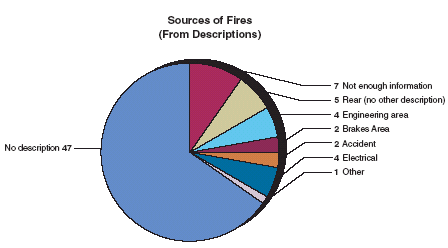
Unfortunately, the data are not (yet) very meaningful. Maybe we can create our own pareto of causes given the experience level on this board. My best guess as to common causes would be
- Turbo (main engine and generator). Oil or fuel on hot turbo and exhaust components. This is the primary cause of fire in marine applications. Make sure your turbo heat blankets are in good shape and are not soaked in oil. There should be no leaks in the turbo area.
- Batteries. There is a lot of energy stored in the batteries. A short or loose connection can cause an electrical fire. Look for loose connections and chafing of main battery cables ahead of any breaker and fuses.
- Brakes. A stuck parking or service brake can get hot enough to burn up a tire and coach. Checking tire and wheel temps after 20 miles of travel might catch this.
- Auxiliary heat. Diesel or electric. A regular check for loose fittings and wiring would be appropriate.
- Galley. Lots of ways to get into trouble here.
- Modifications. Our buses are well built but over the years modifications accumulate that may not be up to the manufacturers standards. Aftermarket AV installations come to mind. It may look great on the outside but pull an inspection panel and have a look at the wiring. If you don’t like what you see, have it fixed.
I’m sure there are more causes but assuming I got the order roughly correct, paying attention to the first three would help eliminate the majority of fires.