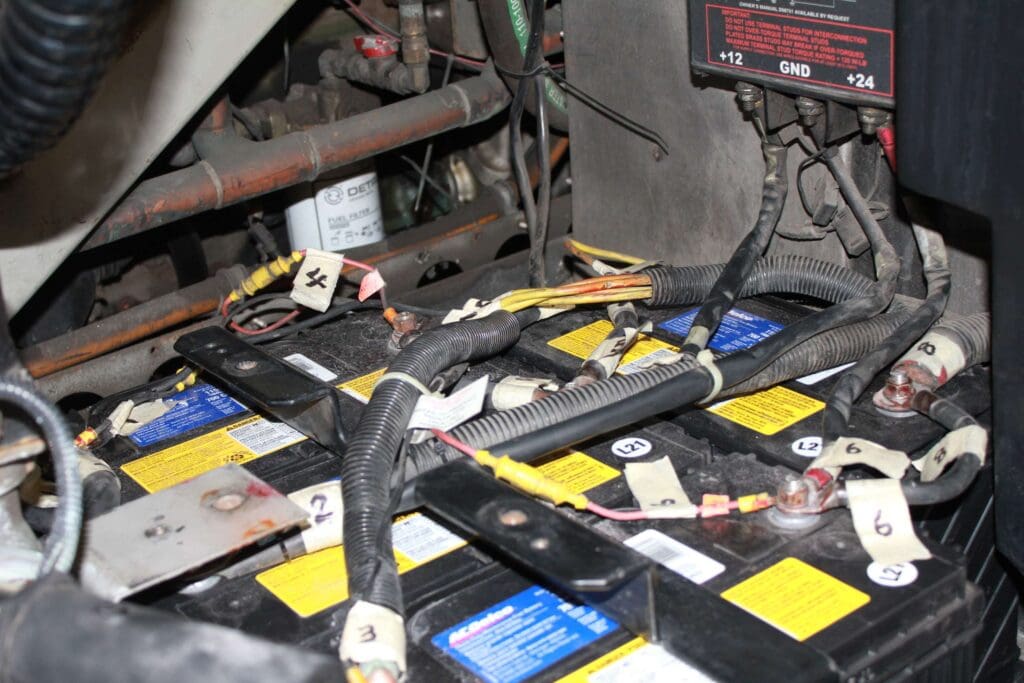
Why Bad AGM Batteries Are Bad for Your RV

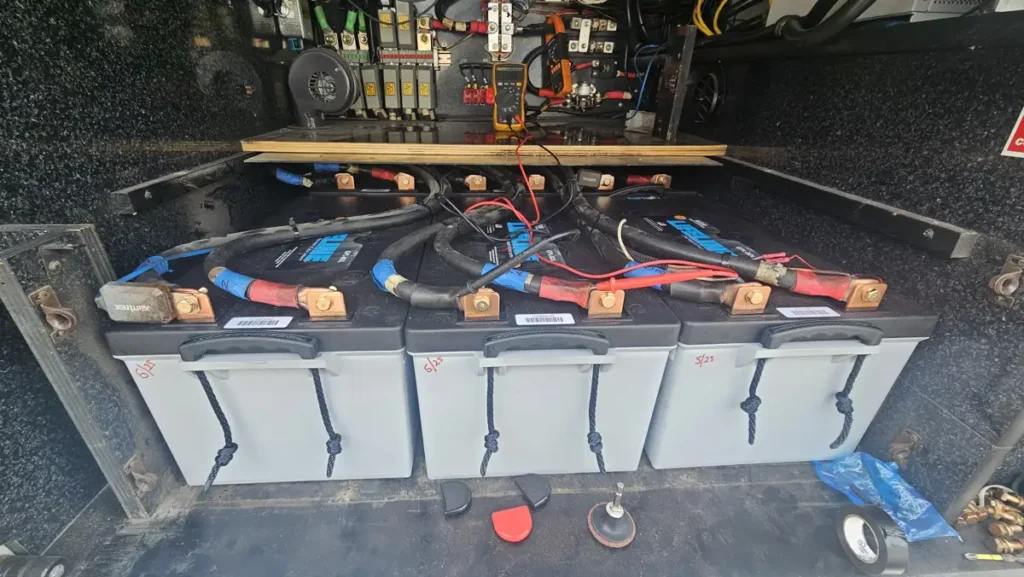
In this issue, I would like to touch on a subject that is an issue for many RV owners (not just Prevost), and I hear it more often than not, the same story, “I don’t dry camp, I stay plugged in, so I don’t use my batteries.” Believe it or not, you are always using your batteries. The heart of your electrical system is your batteries and most likely they are AGM (Absorbed Glass Mat). The generally accepted life span of an AGM battery is 5 to 7 years, but deep discharge or overcharge can severely shorten the life. Although I know some use lithium or lead acid, I would like to focus on AGM in this article. I will touch on other battery types in future articles.
Why Bad AGM Batteries Are Bad for Your RV
Your RV’s battery bank is the heart of your electrical system. Whether you’re boondocking, powering your lights, or running your refrigerator, your batteries supply the energy that keeps everything working smoothly. Many RV owners rely on AGM batteries because they’re maintenance-free and more durable than traditional flooded batteries.
But when AGM batteries start to go bad — or if you keep using ones that are already failing — they can quietly cause major headaches and costly damage to your RV. Here’s why.
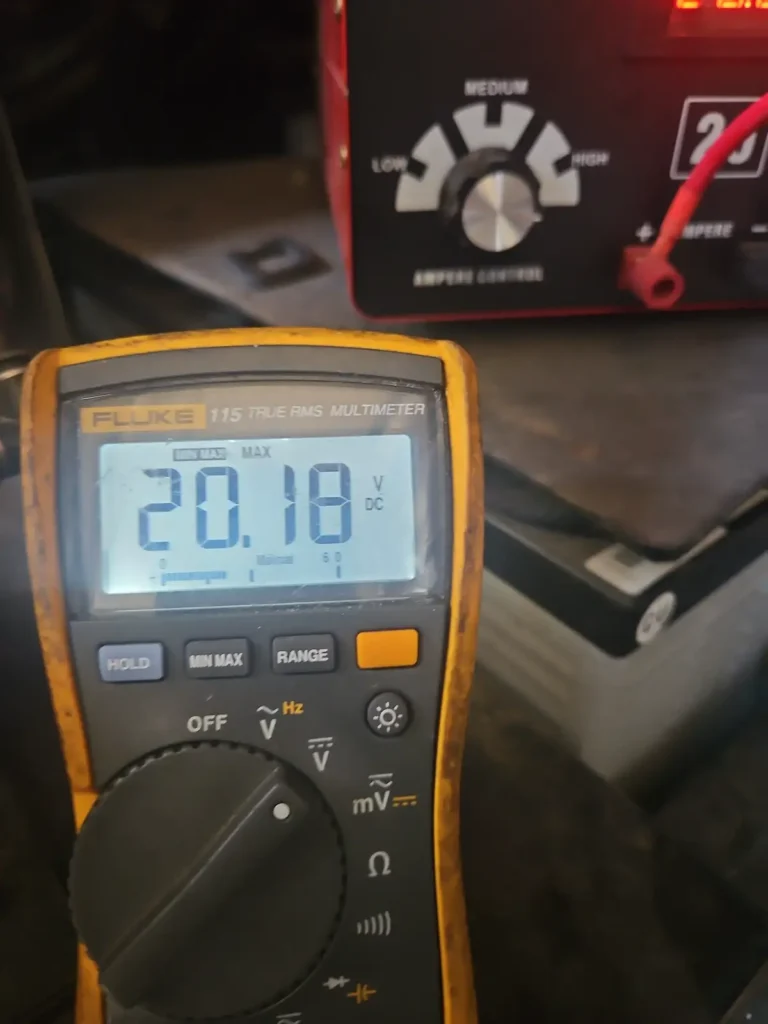
1. Loss of Capacity and Power
A weak or sulfated AGM battery can no longer hold a full charge. That means your voltage drops faster, and your electronics may start to flicker, shut off, or perform erratically. Appliances that rely on a steady 12 or 24 volts (like motors, lighting systems, or leveling systems) may struggle or fail entirely.
Even worse, your inverter/charger will keep trying to compensate, running longer and harder than necessary, and shorter cycles between generator auto starts.
2. Overworking Your Charging System
Bad AGM batteries put a heavy strain on your alternator, inverter/charger, or solar charge controller. These systems sense low voltage and keep trying to charge — often running at full output for extended periods. Heat and stress can shorten the life of your alternator or inverter/charger, leading to expensive replacements.
Think of it like driving your car with a flat tire — everything else has to work harder just to keep going.
3. False Voltage Readings and Electrical Confusion
AGM batteries that have internal resistance or damaged cells can show normal voltage on a meter but collapse under load. This makes troubleshooting confusing — lights may dim, inverters may shut down, and yet your multimeter says “12.7 volts.”
These false readings can lead RV owners to chase problems that don’t exist elsewhere in the system.
4. Potential for Swelling or Leaking
While AGM batteries are sealed, they’re not immune to damage. When they’re overcharged or internally shorted, they can swell, leak acidic vapors, or even split the case. That can corrode nearby wiring, terminals, or battery trays. In a confined RV battery compartment, this can also lead to unsafe heat buildup and fumes.
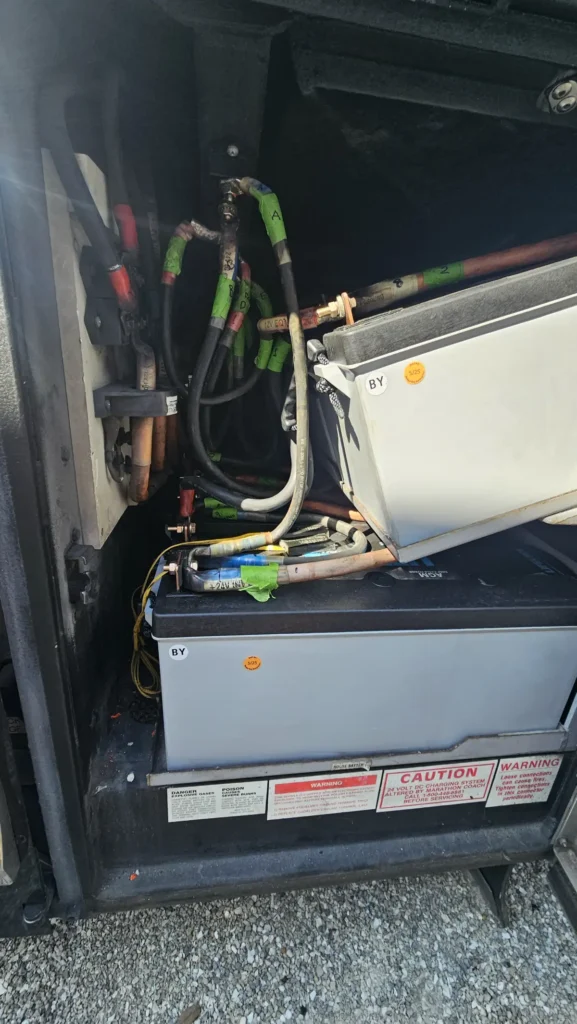
5. Reduced Efficiency for Solar and Inverters
A bad battery bank reduces the efficiency of your entire electrical system. Solar panels can’t properly charge a battery that won’t accept current, and your inverter may shut down early because it senses low voltage. You end up wasting solar potential and getting less run time from your appliances — all because one or two weak batteries are dragging the rest down.
6. Risk to Other Batteries in the Bank
If you run multiple AGM batteries in parallel, a failing one can pull down the good ones. The weaker battery acts like a parasite, discharging the others and reducing the lifespan of the whole bank.
What You Can Do
Test annually: Use a load tester or have your batteries checked at an RV shop.
Watch voltage behavior: If it drops fast under use, your battery may be failing.
Replace in sets if needed: When batteries age together, it’s often best to replace all at once.
Maintain your charging system: Ensure your converter or solar controller is set to the proper AGM charge profile.
The Bottom Line
A bad AGM battery doesn’t just fail quietly — it can hurt your entire RV’s electrical system. Early testing and replacement save time, protect expensive components, and keep your adventures powered reliably.
Healthy batteries mean a happy RV — and more worry-free miles on the road.